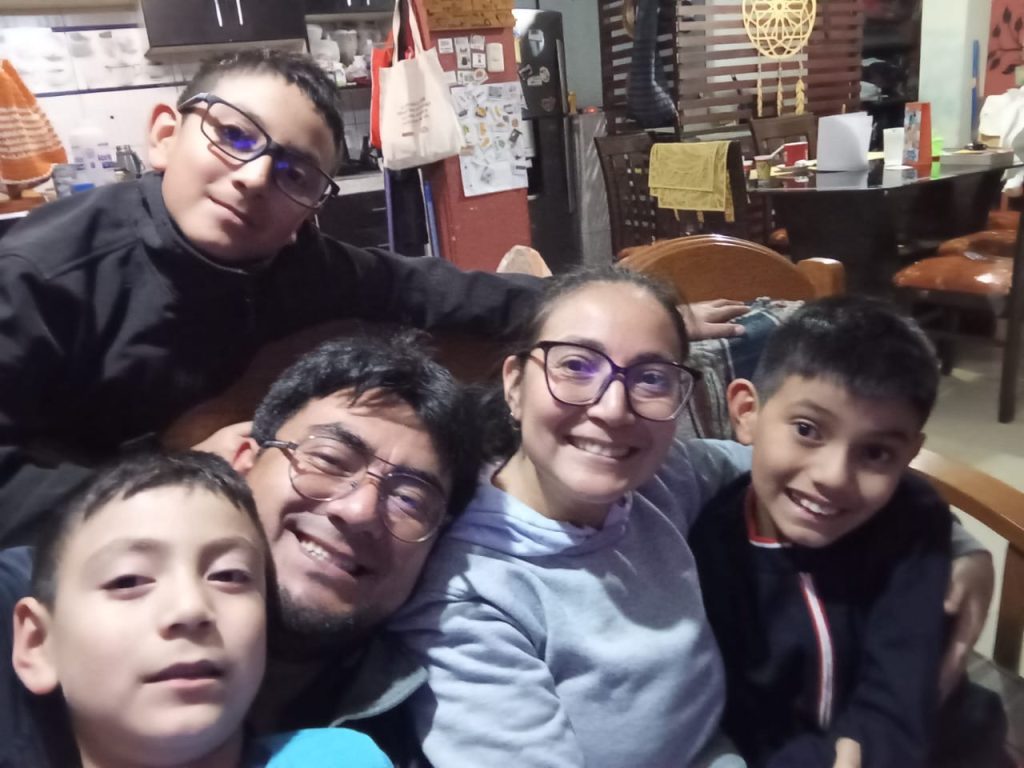




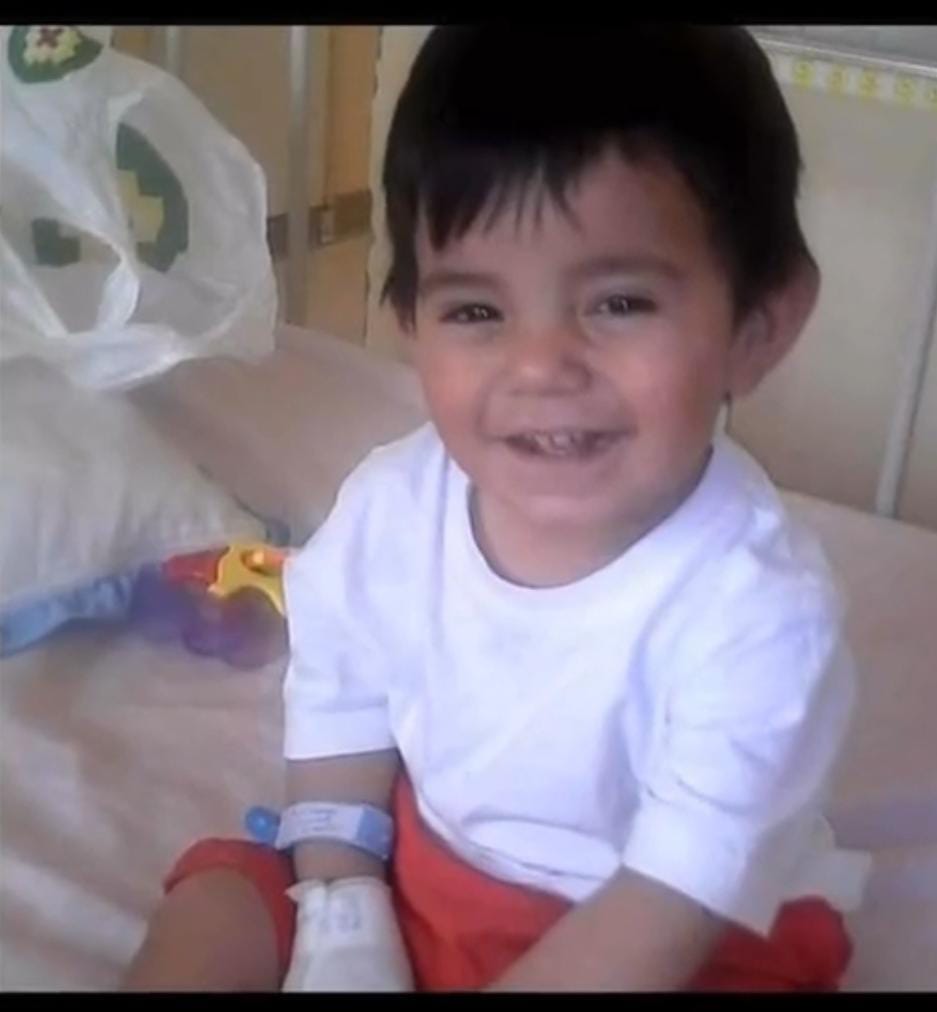

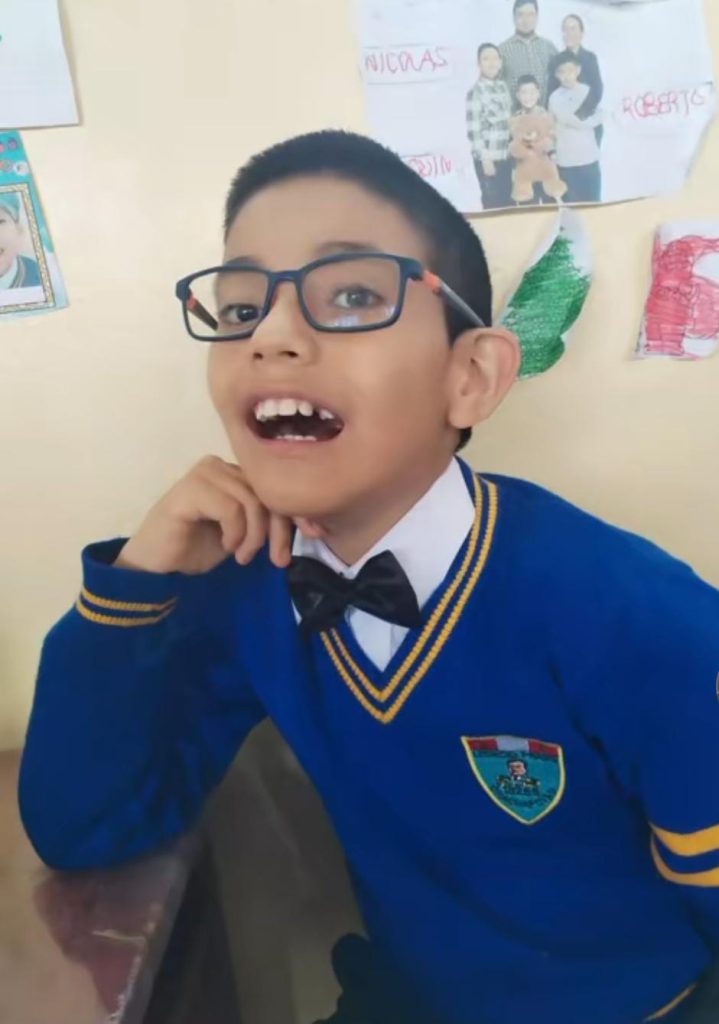
My name is Keylith Margarita Vásquez Díaz, and I am Roberto Josemiguel’s mother. We live in Chachapoyas, in the Amazonas region of Peru. Roberto was born on September 23, 2016, and is currently approaching his tenth birthday. He is the second of my three children.
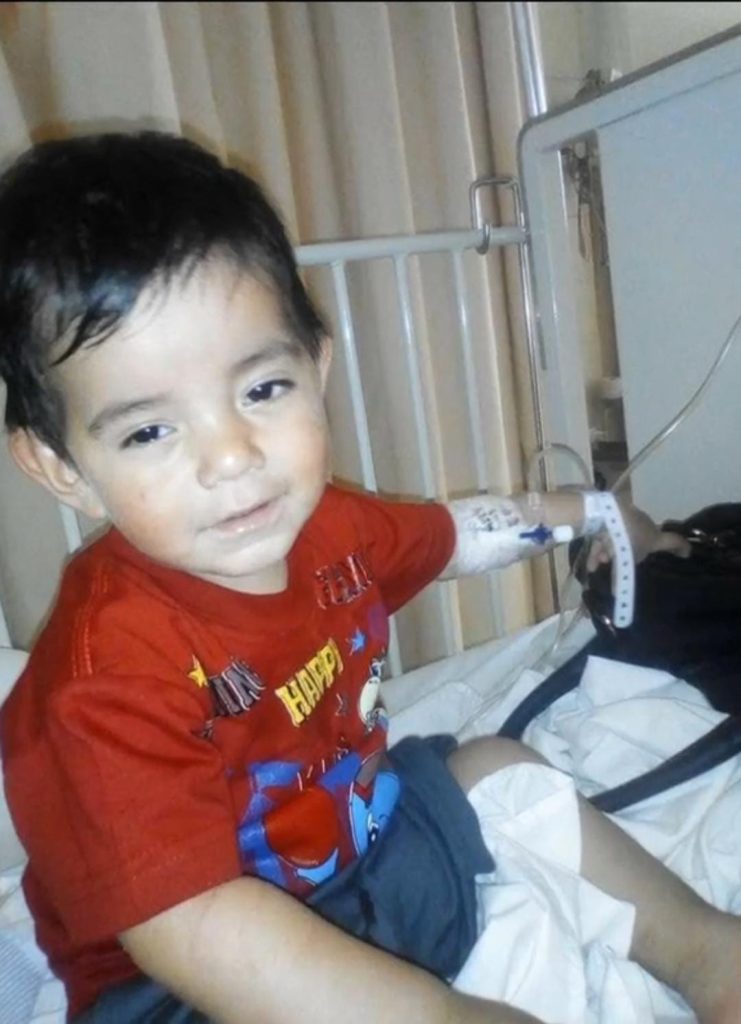
Roberto was born via C-section at 37 weeks of gestation. During his first few months, we noticed his development was slower; however, we initially thought every child has their own pace. He was late to hold up his head, experienced excessive drooling, and—at approximately nine months of age was diagnosed with muscle hypotonia. From then on, he began physical therapy three times a week.
When he was one year and four months old, he had a seizure that was not accompanied by a fever. Due to this episode, he was rushed to another region, where he was diagnosed with epilepsy and prescribed Valprax, a medication he took for about two months. At the time, we were unaware that a metabolic disorder might be involved. We now believe that episode may have been related to a metabolic decompensation.
As he grew, Roberto faced increasing difficulties in motor, cognitive, language, behavioral, and social interaction areas. Consequently, we consulted various specialists, and at age three, he was diagnosed with Level 2 Autism Spectrum Disorder. He also developed marked food selectivity; for a time, he would accept only three foods and completely rejected meat and other sources of animal protein.
Since he was very young, he has received physical, occupational, speech, behavioral, and learning therapies. Thanks to his effort and constant support, he has made significant progress. However, he still requires support and supervision in various daily activities, as well as assistance with his education, communication, learning, and the development of his autonomy.
In 2024, together with other mothers of children with autism, we decided to pursue genetic and metabolic testing to better understand our children’s needs. Initial results showed findings consistent with possible propionic acidemia. Furthermore, acylcarnitine tests revealed a persistent elevation of propionylcarnitine (C3).
In light of these results, Roberto began treatment in December 2024 with L-carnitine and coenzyme Q10, alongside a diet low in animal-based protein. Following the start of treatment, we began to observe significant improvements in his language, comprehension, social interaction, and cognitive performance.
To obtain a definitive answer, a trio whole-exome sequencing test was performed in January 2026, analyzing samples from Roberto, his father, and myself. The results, delivered on July 29, 2026, molecularly confirmed that Roberto has late-onset propionic acidemia, identifying two variants in the *PCCA* gene. After many years of uncertainty, we finally understood that Roberto had not only autism but also a hereditary metabolic disorder.
Receiving this confirmation brought fear, sadness, many questions, and a new grieving process. However, this time it found a mother who was better prepared and willing to research and seek the care her son needed. Roberto has been evaluated by specialists in clinical genetics, cardiology, nutrition, and ophthalmology. To date, he has not required a transplant.
He currently continues oral treatment with L-carnitine and coenzyme Q10, as well as a special diet with strict control of animal-based protein intake. One of our main challenges is accessing specialized care and obtaining the metabolic formula he needs. We live far from Lima, and very few professionals in our region are familiar with propionic acidemia. This compels us to travel, seek specialists in other cities, and cover the costs of consultations, tests, treatments, and special dietary needs. As a family, we hope that Roberto can receive ongoing multidisciplinary medical follow-up, access his metabolic formula, and maintain good metabolic stability, thereby avoiding future decompensations. We also wish for him to continue making progress in his communication, learning, and autonomy, and to be able to develop his full potential with the appropriate support. Our greatest hope is for him to lead a healthy, safe, and happy life with the best possible opportunities.